Fashion — HRDD
Fashion brand team: turned annual audits into a continuous HREDD system owned in-house.


From insight to impact
Business and human rights advisory for in-house HRDD and sustainability practitioners — practical due diligence, responsible sourcing, and social impact work across global supply chains, especially fashion, food & beverage, and FMCG.
Book a free discovery call See how we integrate with your existing systems
I founded CLC to bridge the gap between research and reality in the field of business & human rights. Our work transforms complex concepts of responsible business conduct into practical solutions that enhance human dignity. What sets us apart is our integration of multiple disciplines to address human rights challenges.
By combining our diverse expertise
We transform insights into practical solutions. This unique approach helps businesses move from understanding to action, addressing human rights issues to create genuine positive social impact in their supply chains.

Identify, prioritise, and manage human rights risks and impacts in complex supply chains — from gap analysis and risk assessment through to usable management systems.
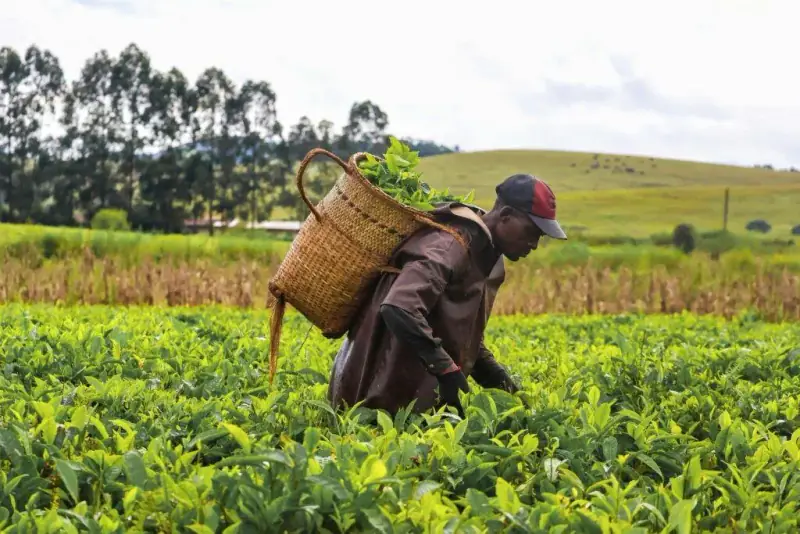
Embed social sustainability in purchasing so costing, lead times, and supplier relationships protect workers rather than transfer risk upstream.
Build Theory of Change, indicators, and monitoring so you can plan, track, and improve how activities affect workers and communities — not only report activity.
Align internal teams and external partners — suppliers, workers’ representatives, NGOs, industry initiatives — so human rights action sticks beyond a single function.

Fashion brand team: turned annual audits into a continuous HREDD system owned in-house.
Category team: prioritised high-risk tiers so limited budget hit the risks that matter most.
Internal HRDD leads: training and tools so the team runs the system without permanent external dependency.
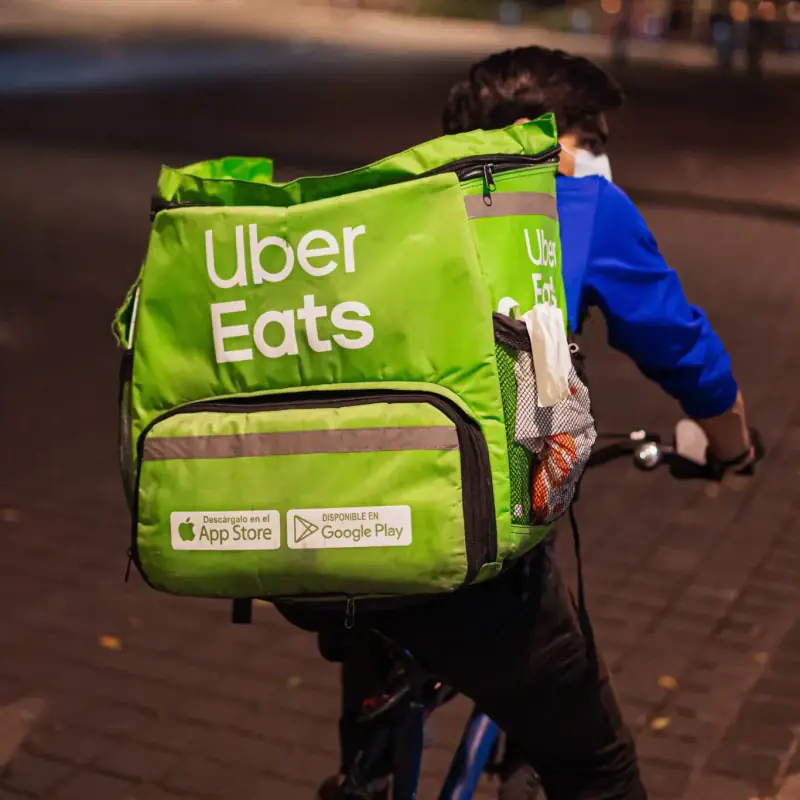
On 12 June 2026, the International Labour Conference adopted ILO Convention No. 193 on Decent Work in the Platform Economy. It is the first binding global…
This is Part 2 of our anniversary series on the UN Guiding Principles on Business and Human Rights. Part 1 looked at the way the UNGP framework works in…
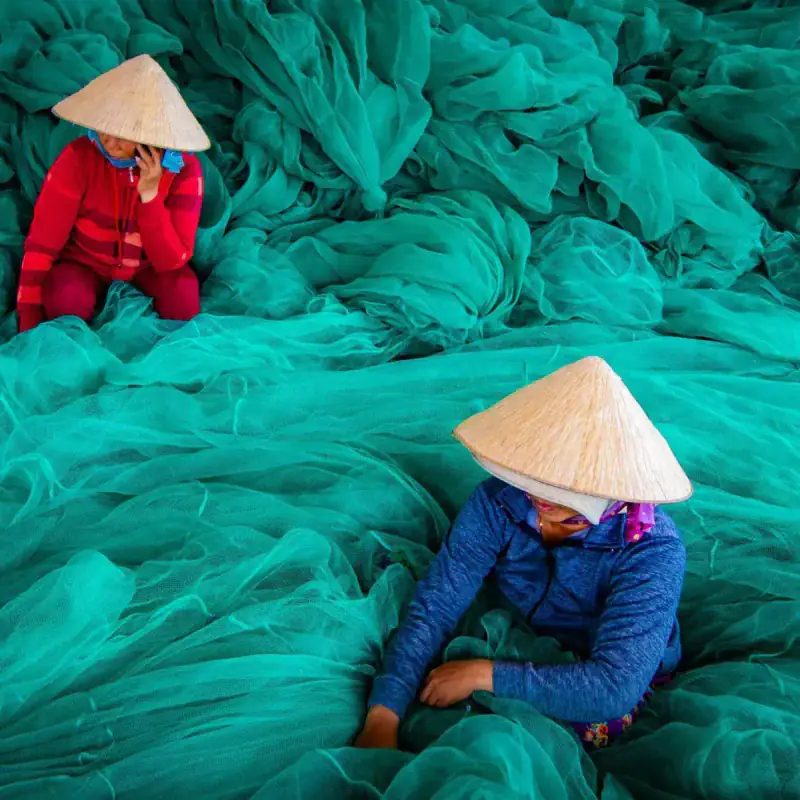
The UNGPs’ real innovation wasn’t raising the bar for business - it was reading how power moves through a supply chain, and building the response around that.
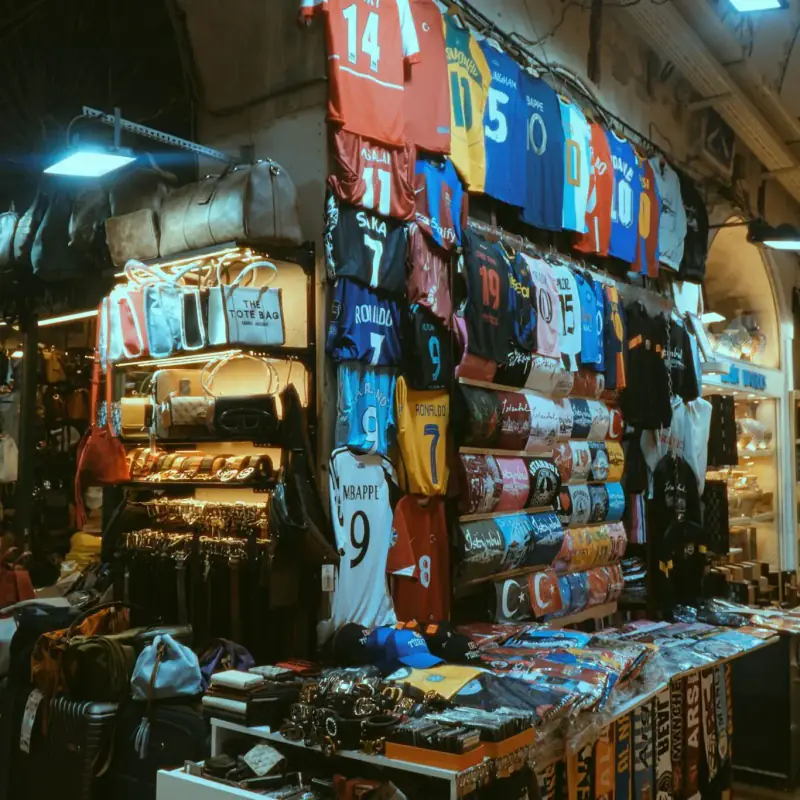
The Men’s 2026 World Cup, hosted by the USA, Canada and Mexico, kicks off this week in Mexico City. It is set to be the largest in the competition’s history…